Japan is a remarkable destination in every season, but choosing the best time to visit Japan can make a major difference to your experience. The best time to visit Japan depends on what you want to see, where you want to go, how much you want to spend, and how comfortable you are with crowds, […]
Japan is a remarkable destination in every season, but choosing the best time to visit Japan can make a major difference to your experience. The best time to visit Japan depends on what you want to see, where you want to go, how much you want to spend, and how comfortable you are with crowds, heat, cold, and changing weather.
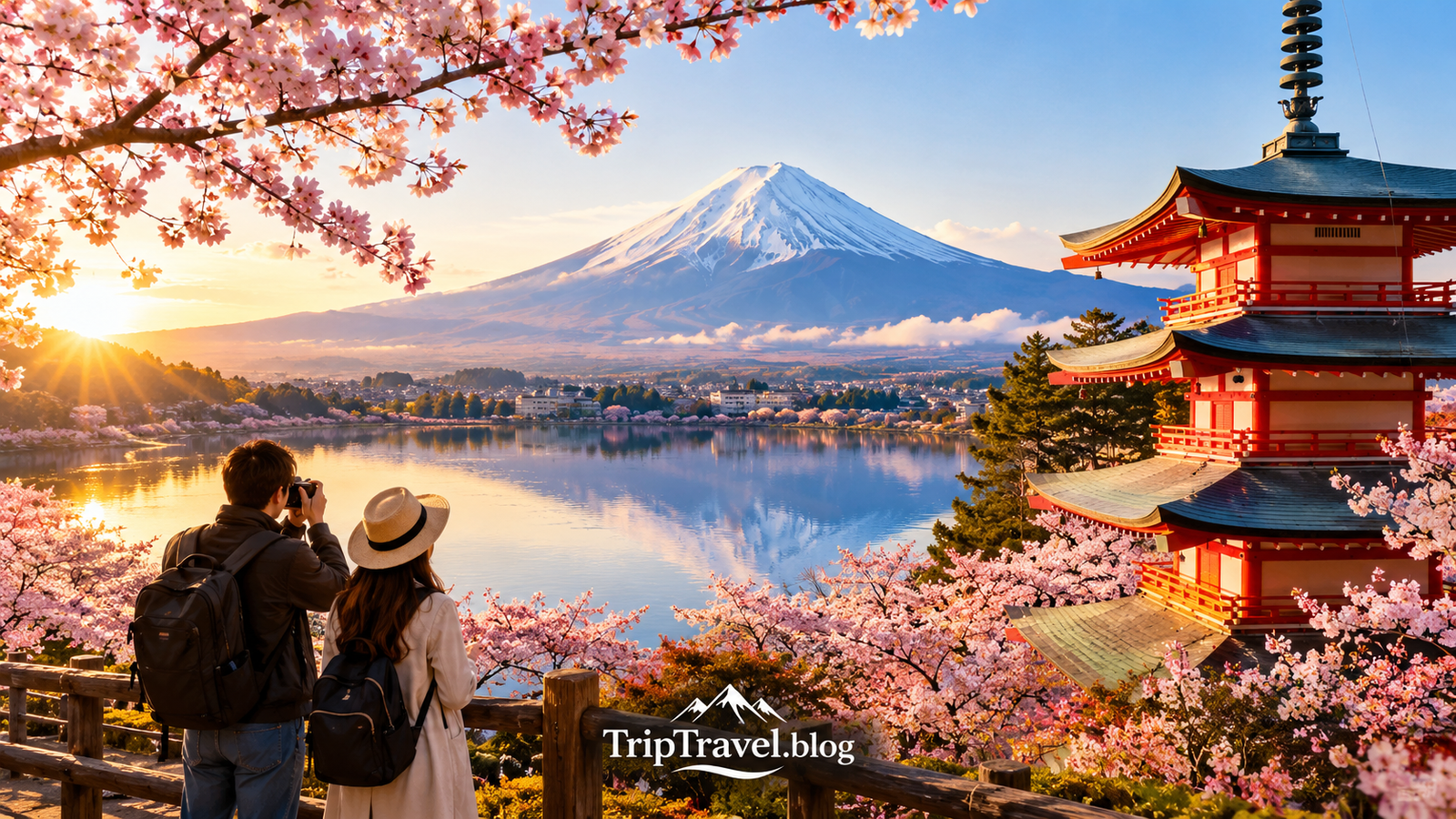
For many travelers, spring and autumn are considered the best time to visit Japan because the weather is generally comfortable and the scenery is spectacular. Spring brings cherry blossoms, colorful gardens, and fresh greenery. Autumn brings brilliant red, orange, and yellow foliage along with comfortable temperatures that are excellent for sightseeing.
However, the best time to visit Japan is not the same for every traveler. Winter can be the best time to visit Japan for skiing, snow, hot springs, and winter landscapes. Summer can be the best time to visit Japan for festivals, fireworks, hiking, beaches, and mountain adventures.
Japan also has significant regional differences. Hokkaido in northern Japan has a much colder climate than Tokyo, while Okinawa in southern Japan has a subtropical climate. Because of these differences, choosing the best time to visit Japan should always involve looking at the specific regions included in your itinerary.
If you are planning your first trip, this guide will help you understand the best time to visit Japan by season, month, destination, activity, budget, and travel style.
What Is the Best Time to Visit Japan?
The best time to visit Japan for most first time travelers is spring or autumn. These seasons offer a strong combination of comfortable weather, beautiful scenery, cultural experiences, and excellent sightseeing opportunities.
Spring is one of the most popular answers when travelers ask about the best time to visit Japan. Cherry blossoms create beautiful scenery throughout many cities and regions, while mild temperatures make walking and outdoor sightseeing enjoyable.
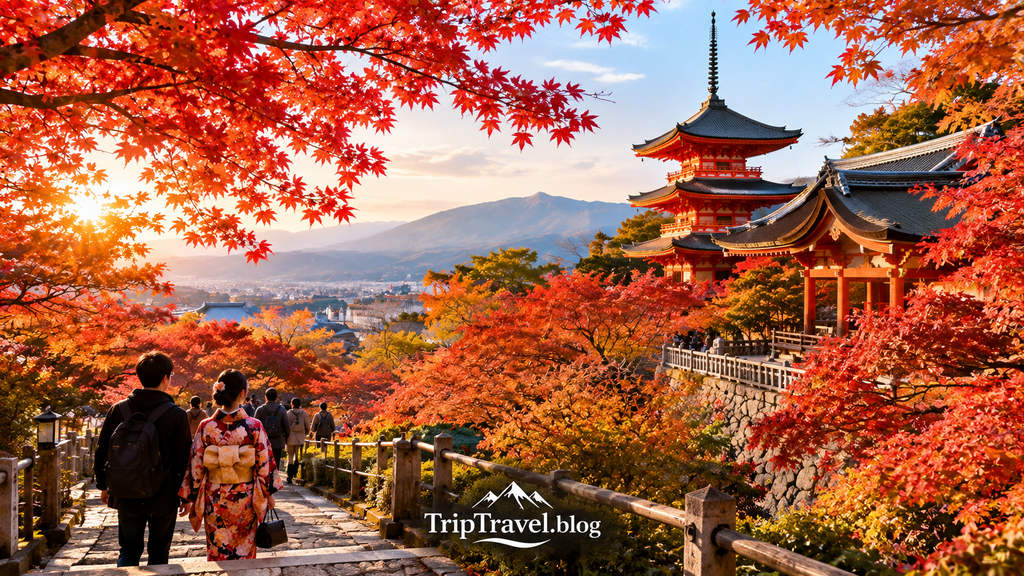
Autumn is another excellent answer for the best time to visit Japan. Fall foliage transforms temples, gardens, mountains, parks, and historic neighborhoods into colorful landscapes.
If your main goal is seeing cherry blossoms, spring may be the best time to visit Japan for you. If your priority is fall foliage and comfortable temperatures, autumn may be the best time to visit Japan.
Winter is the best time to visit Japan for travelers interested in skiing, snowboarding, snow covered scenery, hot springs, and winter photography.
Summer is the best time to visit Japan for travelers who want festivals, fireworks, hiking, beaches, and seasonal cultural events.
There is therefore no single answer that works for everyone. The best time to visit Japan is the season that matches your travel priorities.
Best Time to Visit Japan by Season
Understanding the four main travel seasons makes it much easier to choose the best time to visit Japan.
| Season | Typical Months | Best For | Main Consideration |
|---|---|---|---|
| Spring | March to May | Cherry blossoms and gardens | Crowds and higher demand |
| Summer | June to August | Festivals and outdoor activities | Heat and humidity |
| Autumn | September to November | Fall foliage and sightseeing | Popular foliage periods |
| Winter | December to February | Snow, skiing, and hot springs | Cold and snow |
Spring and autumn are usually the most comfortable seasons for general sightseeing. Summer is warmer and more humid, while winter can be cold but provides completely different experiences.
The best time to visit Japan also changes depending on your destination. Northern Japan becomes especially attractive in winter, while Okinawa can be appealing during periods when central Japan is much colder.
Best Time to Visit Japan for Cherry Blossoms
For many international travelers, cherry blossoms are the biggest reason to visit Japan. If seeing sakura is your dream, choosing the best time to visit Japan becomes especially important.
Cherry blossom timing varies from year to year and from region to region. Blossoms generally appear earlier in warmer southern areas and later in colder northern areas.
Tokyo and Kyoto are two of the most popular destinations for cherry blossom viewing. Osaka is also a popular choice, while many smaller cities and rural destinations offer beautiful cherry blossom scenery with fewer crowds.
March and April are often associated with cherry blossoms in many major tourist destinations, but travelers should never assume that a specific date will guarantee peak bloom.
Weather conditions influence flowering dates, and the period of peak blossoms can be relatively short.
If cherry blossoms are your main reason for visiting, monitor official seasonal forecasts before your trip. Booking accommodation well in advance is also important because spring demand can be extremely high.
The best time to visit Japan for cherry blossoms is therefore not simply one exact date. It is a flexible spring travel period adjusted according to the destination and annual forecast.
Best Time to Visit Japan for Fall Foliage
Autumn is one of the strongest choices when deciding the best time to visit Japan. The country becomes especially beautiful as maple trees and other deciduous trees change color.
Kyoto is famous for autumn scenery because its temples, gardens, and traditional streets provide dramatic backgrounds for colorful foliage.
Tokyo also offers excellent autumn experiences through parks and gardens. Travelers can combine fall scenery with shopping, museums, restaurants, neighborhoods, and cultural attractions.
Northern Japan and mountainous areas often experience autumn colors earlier than warmer southern destinations.
September can still be relatively warm in many areas, while October and November are often excellent months for sightseeing.
For travelers who want comfortable walking weather without the intense summer humidity, autumn may be the best time to visit Japan.
Fall foliage timing is not identical every year. Travelers should check current regional foliage forecasts before finalizing their sightseeing plans.
Best Time to Visit Japan in Spring
Spring is arguably the most famous travel season in Japan. It combines seasonal scenery, pleasant temperatures, cultural experiences, and outdoor activities.
March can still be cool, especially in northern areas. April is famous for cherry blossoms in many destinations, while May generally becomes warmer and greener.
Spring is the best time to visit Japan for travelers interested in:
• Cherry blossoms
• Traditional gardens
• Temple visits
• Outdoor photography
• Walking tours
• Cultural experiences
• Food tours
• Scenic day trips
One important consideration is Golden Week, a series of Japanese national holidays that usually occurs from late April into early May. This period can be extremely busy because many residents travel domestically.
If avoiding crowds is important to you, check the holiday calendar before choosing your travel dates.
Spring can also be more expensive than quieter travel periods because demand for hotels and transportation increases.
Best Time to Visit Japan in Summer
Summer is not always the first season travelers consider when thinking about the best time to visit Japan, but it can be a fantastic period for the right traveler.
June is associated with the rainy season in many areas. Rainfall patterns vary by region and year, so travelers should check current forecasts before planning outdoor activities.
July and August can become hot and humid, particularly in major cities such as Tokyo, Kyoto, and Osaka.
Despite the heat, summer offers experiences that are difficult to enjoy in the same way during other seasons.
Summer is the best time to visit Japan for:
• Traditional festivals
• Fireworks
• Mountain hiking
• Beach trips
• Outdoor events
• Seasonal food
• Northern Japan exploration
• Okinawa vacations
Hokkaido can be an attractive summer destination because its climate differs from central Japan. Mountain regions can also provide excellent opportunities for hiking and outdoor adventures.
Travelers should prepare for high temperatures by carrying water, using sun protection, taking breaks, and avoiding excessive midday activity.
Typhoons can affect parts of Japan during late summer and early autumn, so travelers should monitor official weather information when necessary.
Best Time to Visit Japan in Autumn
If you want an excellent balance between scenery and sightseeing conditions, autumn may be the best time to visit Japan.
Temperatures become more comfortable after the heat of summer, and colorful foliage begins appearing across the country.
October and November are especially attractive for travelers who want to explore cities, temples, gardens, mountains, and cultural attractions.
Autumn is also a wonderful season for Japanese food because many seasonal ingredients become available.
Travelers can enjoy:
• Autumn foliage
• Temple visits
• Scenic walks
• Mountain trips
• Traditional gardens
• Seasonal cuisine
• Photography
• Cultural experiences
The best time to visit Japan for fall foliage depends on where you are going. Northern and mountainous regions generally change color earlier, while southern regions may experience peak foliage later.
Best Time to Visit Japan in Winter
Winter provides an entirely different side of Japan. If you associate Japan only with cherry blossoms and temples, winter may surprise you.
Hokkaido is particularly famous for snow and winter sports. Niseko is one of the country’s internationally recognized ski destinations.
Nagano and surrounding mountain regions also offer winter activities and access to snowy landscapes.
Winter is the best time to visit Japan if you want:
• Skiing
• Snowboarding
• Snow covered mountains
• Winter photography
• Hot springs
• Winter food
• Snow festivals
• A quieter city experience
Tokyo and Osaka usually do not receive the same amount of snow as northern and mountainous parts of Japan. This means winter city sightseeing can still be practical even when mountain areas have heavy snowfall.
For travelers who enjoy hot springs, winter can be one of the most memorable seasons to visit Japan.
Best Time to Visit Tokyo
Tokyo is a year round destination, but the best time to visit Japan for Tokyo sightseeing is often spring or autumn.
Spring brings beautiful blossoms and comfortable walking conditions. Autumn brings colorful parks and gardens along with cooler temperatures.
Tokyo can also be enjoyable during winter because travelers can explore museums, shopping districts, restaurants, temples, observation decks, and indoor attractions.
Summer is possible, but travelers should prepare for heat and humidity.
When deciding the best time to visit Japan for a Tokyo trip, think about how much time you plan to spend outdoors. Travelers who want long walking days may prefer spring or autumn.
Tokyo is also an excellent starting point for day trips to destinations such as Hakone, Nikko, Kamakura, and the Mount Fuji area.
Best Time to Visit Kyoto
Kyoto is one of the destinations most strongly affected by seasonal travel demand.
Spring is famous for cherry blossoms, while autumn is famous for colorful foliage. Both periods can create extraordinary scenery around temples, shrines, gardens, and historic streets.
The popularity of these seasons also means that Kyoto can become very crowded.
If you want a quieter experience, consider traveling during a less popular period and visiting attractions early in the morning.
The best time to visit Japan for Kyoto therefore depends on whether your priority is seasonal scenery or avoiding large crowds.
Kyoto is especially rewarding for travelers interested in Japanese history, traditional architecture, gardens, tea culture, local cuisine, and cultural experiences.
Best Time to Visit Japan for Budget Travelers
The best time to visit Japan for a budget traveler is not necessarily the same as the best time for a cherry blossom traveler.
Peak spring and autumn periods can create strong demand for hotels and transportation. Major Japanese holidays can also increase travel demand.
To save money, compare different travel dates before booking flights and hotels.
Consider:
• Traveling outside major holiday periods
• Comparing several hotel neighborhoods
• Booking accommodations early during peak seasons
• Using local restaurants
• Choosing convenient but simple hotels
• Comparing transportation options
• Avoiding unnecessary long distance journeys
• Using free parks and public spaces
Do not automatically buy a nationwide rail pass simply because you are traveling around Japan. Calculate the cost of your planned routes and compare individual tickets and regional transportation options.
The best time to visit Japan for your budget is the period when airfare, accommodation, transportation, and daily expenses fit comfortably within your travel budget.
Best Time to Visit Japan for Families
Families should consider weather, transportation, accommodation, and the pace of sightseeing when choosing the best time to visit Japan.
Spring and autumn can be excellent because comfortable temperatures make walking and outdoor sightseeing easier.
Families traveling during cherry blossom season should prepare for crowds.
Summer can be challenging because of heat and humidity, but families may enjoy festivals, beaches, and seasonal attractions.
Winter can be excellent for families interested in snow activities and hot springs.
The best time to visit Japan for families is therefore the season that matches the children’s interests and the family’s preferred travel pace.
Avoid creating an itinerary that changes hotels every night. Spending several nights in each destination can make a family trip significantly easier.
Best Time to Visit Japan for Couples
Japan offers memorable experiences throughout the year for couples.
Spring provides cherry blossoms, gardens, romantic walks, and scenic neighborhoods.
Autumn provides colorful landscapes and comfortable temperatures.
Winter can create a cozy travel atmosphere with hot springs, mountain scenery, and winter cuisine.
Summer is ideal for couples who enjoy festivals, coastal destinations, outdoor adventures, and evening events.
The best time to visit Japan for couples depends on the experience you want rather than a universal travel calendar.
Couples should also consider adding one slower destination to their itinerary rather than spending the entire trip moving between major cities.
Best Time to Visit Japan for First Time Visitors
If you have never visited Japan before, spring and autumn are excellent starting points.
A first trip could include Tokyo, Kyoto, and Osaka.
A seven to ten day itinerary might look like this:
Tokyo for three or four days
Kyoto for two or three days
Osaka for two days
Travelers with two weeks can add destinations such as Hiroshima, Miyajima, Hakone, Nikko, Kanazawa, or a mountain region.
The best time to visit Japan for a first trip is often determined by your personal priorities. If cherry blossoms are your dream, choose spring. If colorful foliage is more appealing, choose autumn.
Do not try to visit too many destinations simply because Japan’s transportation system makes long distance travel possible. More destinations do not always mean a better vacation.
How to Get Around Japan
Japan has an extensive transportation network that makes travel between major destinations relatively convenient.
Trains are especially useful for traveling between Tokyo, Kyoto, Osaka, and many other major cities.
Urban rail and subway systems are also important for getting around Tokyo, Osaka, Kyoto, and other metropolitan areas.
When planning your trip, consider the total travel time rather than just the distance between destinations.
Major train stations can be large and busy, so allow extra time when transferring between lines.
Keep your hotel address available in Japanese characters when possible. This can be helpful when asking for directions or using local transportation.
The best time to visit Japan can also affect transportation demand. Peak periods such as cherry blossom season and major holidays can be significantly busier.
Where to Stay During Your Japan Trip
Your hotel location can have a major impact on your experience.
In Tokyo, choose an area with convenient rail access to the attractions you plan to visit.
In Kyoto, transportation access is important because sightseeing locations are spread throughout the city.
In Osaka, staying near a major train connection can make both city exploration and regional day trips easier.
For ski vacations, staying close to the mountain or ski transport system can be more valuable than staying in a distant city center.
When comparing accommodations, consider:
• Distance from the nearest station
• Room size
• Cancellation policy
• Luggage storage
• Breakfast options
• Nearby restaurants
• Transportation connections
• Total price
During the most popular periods, the best time to visit Japan may also be the most expensive time to stay in famous neighborhoods.
Japan Food and Dining Tips
Japanese cuisine is one of the highlights of visiting the country.
Travelers can enjoy sushi, ramen, tempura, udon, soba, yakitori, Japanese curry, grilled seafood, regional dishes, and seasonal specialties.
Do not limit your food experiences to famous restaurants. Local neighborhood restaurants can provide excellent meals, while department store food halls and casual dining establishments offer additional choices.
Food preferences can also influence the best time to visit Japan because seasonal ingredients change throughout the year.
Autumn is especially appealing for travelers interested in seasonal food. Winter offers warming dishes and seafood specialties in many regions. Summer brings refreshing seasonal foods, while spring offers ingredients associated with the new season.
Visitors should respect local dining customs and follow restaurant specific instructions.
Japan Safety and Weather Considerations
Japan is generally well organized for international travelers, but visitors should still pay attention to weather and local conditions.
Earthquakes are a natural hazard in Japan, and travelers should familiarize themselves with official emergency information.
Heavy snowfall can affect transportation in northern and mountainous regions during winter.
Typhoons can affect parts of Japan during late summer and early autumn.
Extreme heat can also be a concern during summer, especially in large cities.
The best time to visit Japan should therefore take weather tolerance into account. If you dislike extreme heat, summer may not be your ideal season. If you dislike cold and snow, winter may not be the best time to visit Japan.
Before departure, check official Japanese government and tourism sources for current entry requirements, weather information, transportation updates, and other travel notices.
Travel insurance can also be useful, particularly for international trips involving expensive flights, hotels, and multiple transportation bookings.
Common Mistakes When Choosing the Best Time to Visit Japan
One common mistake is assuming there is one perfect month for the entire country.
Japan is geographically diverse, so the best time to visit Japan for Hokkaido may be completely different from the best time to visit Japan for Okinawa.
Another mistake is planning a cherry blossom trip around an exact date without checking current forecasts.
A third mistake is ignoring Japanese holidays. Popular periods can create crowded trains, busy attractions, and limited hotel availability.
Travelers should also avoid planning too many destinations.
Another common mistake is focusing entirely on weather while ignoring personal interests. A traveler who loves skiing may have a much better winter trip than a spring trip.
The best time to visit Japan is ultimately a combination of weather, destination, activities, budget, and personal preferences.
Best Time to Visit Japan by Travel Goal
If your main goal is cherry blossoms, spring is usually the best time to visit Japan.
If your main goal is fall foliage, autumn is usually the best time to visit Japan.
If you want skiing and snow, winter is the best time to visit Japan.
If you want festivals and fireworks, summer is often the best time to visit Japan.
If you want comfortable city sightseeing, spring and autumn are strong choices.
If you want hot springs surrounded by snow, winter may be the best time to visit Japan.
If you want beaches and subtropical scenery, consider Okinawa and choose your dates according to the region’s climate.
If your priority is balancing pleasant weather with beautiful scenery, autumn can be one of the best overall choices.
Conclusion
The best time to visit Japan depends on what you want from your vacation.
Spring is the best time to visit Japan for travelers who want cherry blossoms, gardens, fresh greenery, and mild sightseeing conditions.
Summer is the best time to visit Japan for festivals, fireworks, beaches, hiking, and outdoor adventures.
Autumn is the best time to visit Japan for colorful foliage, comfortable temperatures, scenic walks, cultural attractions, and seasonal food.
Winter is the best time to visit Japan for skiing, snowboarding, snowy landscapes, hot springs, and winter experiences.
For first time visitors without a specific seasonal goal, autumn is an excellent overall choice. However, if seeing cherry blossoms is your dream, spring may be the best time to visit Japan for you.
The most important thing is to choose your travel season based on your destination, budget, interests, and tolerance for crowds and weather.
By researching regional conditions, checking current forecasts, planning transportation carefully, and avoiding major travel mistakes, you can enjoy Japan in virtually any season.
FAQs
What is the best time to visit Japan?
The best time to visit Japan for most travelers is spring or autumn. Spring is excellent for cherry blossoms, while autumn is excellent for fall foliage and comfortable sightseeing weather.
What month is the best time to visit Japan?
April and November can be excellent choices depending on your destination and travel goals. However, exact conditions vary each year and by region.
What is the best time to visit Japan for cherry blossoms?
Spring is the best time to visit Japan for cherry blossoms. Exact bloom dates vary by destination and year, so travelers should check current forecasts.
Is October a good time to visit Japan?
Yes. October can be an excellent time to visit Japan because temperatures are often more comfortable than during summer, although foliage timing varies by region.
Is November a good time to visit Japan?
Yes. November can be one of the best time periods for Japan travel, particularly for autumn foliage in many central and southern destinations.
Is winter a good time to visit Japan?
Yes. Winter is the best time to visit Japan for travelers interested in skiing, snow, hot springs, and winter landscapes.
Is summer a good time to visit Japan?
Summer can be excellent for festivals, fireworks, hiking, beaches, and outdoor activities, although many areas can be hot and humid.
What is the cheapest time to visit Japan?
There is no universal cheapest period. Prices vary according to destination, flights, hotel demand, holidays, and events. Comparing several dates can help you find better value.
How many days do you need in Japan?
Seven to ten days can work well for a first trip covering Tokyo, Kyoto, and Osaka. Two weeks provides more time for additional destinations and a slower itinerary.
Is Japan crowded during cherry blossom season?
Yes. Popular destinations such as Tokyo and Kyoto can become very busy during peak cherry blossom periods. Early planning and flexible sightseeing times can help.